Diabetes and Medicinal Plants
How Parinari curatellifolia, Moringa, oregano and other plants lower blood glucose, down to the insulin-like peptides they regulate.

Prof. Simeon Omale is a Professor of Clinical Pharmacology and Therapeutics at the University of Jos and Head of the Department of Pharmaceutics. A pharmacist trained in Jos, Benin, New York and Glasgow, he uses the fruit fly Drosophila and human cell lines to find diabetes medicines in Nigerian plants and to test the safety of HIV drugs.
How Parinari curatellifolia, Moringa, oregano and other plants lower blood glucose, down to the insulin-like peptides they regulate.
How efavirenz, dolutegravir, lamivudine and tenofovir affect survival, movement, fertility and ageing, and which plant compounds protect.
Fruit flies and mammalian cell lines (3T3-L1 adipocytes, hepatoma and CaCo-2 cells) as fast, ethical models for drug discovery, toxicology and ageing.
Self-medication, unused medicines in Nigerian homes, TB adherence, hospital pharmacy queues and adult vaccination in community pharmacies.
 / Profile
Prof. Simeon Omale is a clinical pharmacist specialising in pharmacology and therapeutics. He joined the University of Jos in 2004 as an Assistant Lecturer in Clinical Pharmacy, moved to the Department of Pharmacology and Toxicology after his Ph.D, and became a Professor on 1 October 2023. Since May 2026 he has been Head of the Department of Pharmaceutics, and he chairs the Faculty Research Committee.
His main research is diabetes, with related work on infectious diseases and cancer. Over the last six years he moved from rats and mice to the fruit fly Drosophila melanogaster, training in Prof. Justin Blau's laboratory at New York University. From 2021 to 2023 he held a postdoctoral fellowship from the Africa Research Excellence Fund at the University of Strathclyde, Glasgow, in Prof. Gwyn Gould's laboratory, studying how Parinari curatellifolia affects glucose uptake in human cell lines.
He managed the laboratory of the World Bank-funded Africa Centre of Excellence in Phytomedicine Research and Development (ACEPRD), was a co-investigator on Nigeria's COVID-19 silymarin and rapid-test studies, and holds 9 research grants and a Nigerian patent. A trained USAID DELIVER consultant, he has taught health workers across Nigeria to manage HIV, TB, malaria and reproductive health supplies.
He teaches pharmacy, medical, nursing and laboratory science students at Jos and Bingham University, and has supervised 75 undergraduate projects, 7 M.Sc and 2 Ph.D theses, with more in progress. He reviews for journals including the Journal of Applied Toxicology (Wiley) and the Journal of Basic and Applied Zoology (Springer Nature).
Download CVPDF · 16 pages74 journal articles, in pharmacology, toxicology and phytomedicine.
North American Journal of Medical Sciences · cited 89 times
Journal of Pharmacology & Pharmacotherapeutics · cited 77 times
African Journal of Biotechnology · cited 67 times
Pharmacological Research - Natural Products
British Journal of Pharmacology
PeerJ · cited 30 times
6 leadership roles and 5 professional bodies.
Department of Pharmaceutics, University of Jos
Faculty Research Committee, Faculty of Pharmaceutical Sciences
Clinical Pharmacology
Nursing Master's Programme
Africa Centre of Excellence in Phytomedicine Research and Development
Procurement and Supply Chain Management, USAID DELIVER Project
Fellowships and memberships of academic and professional bodies.
15 conferences and seminars where Prof. Omale presented or took part.
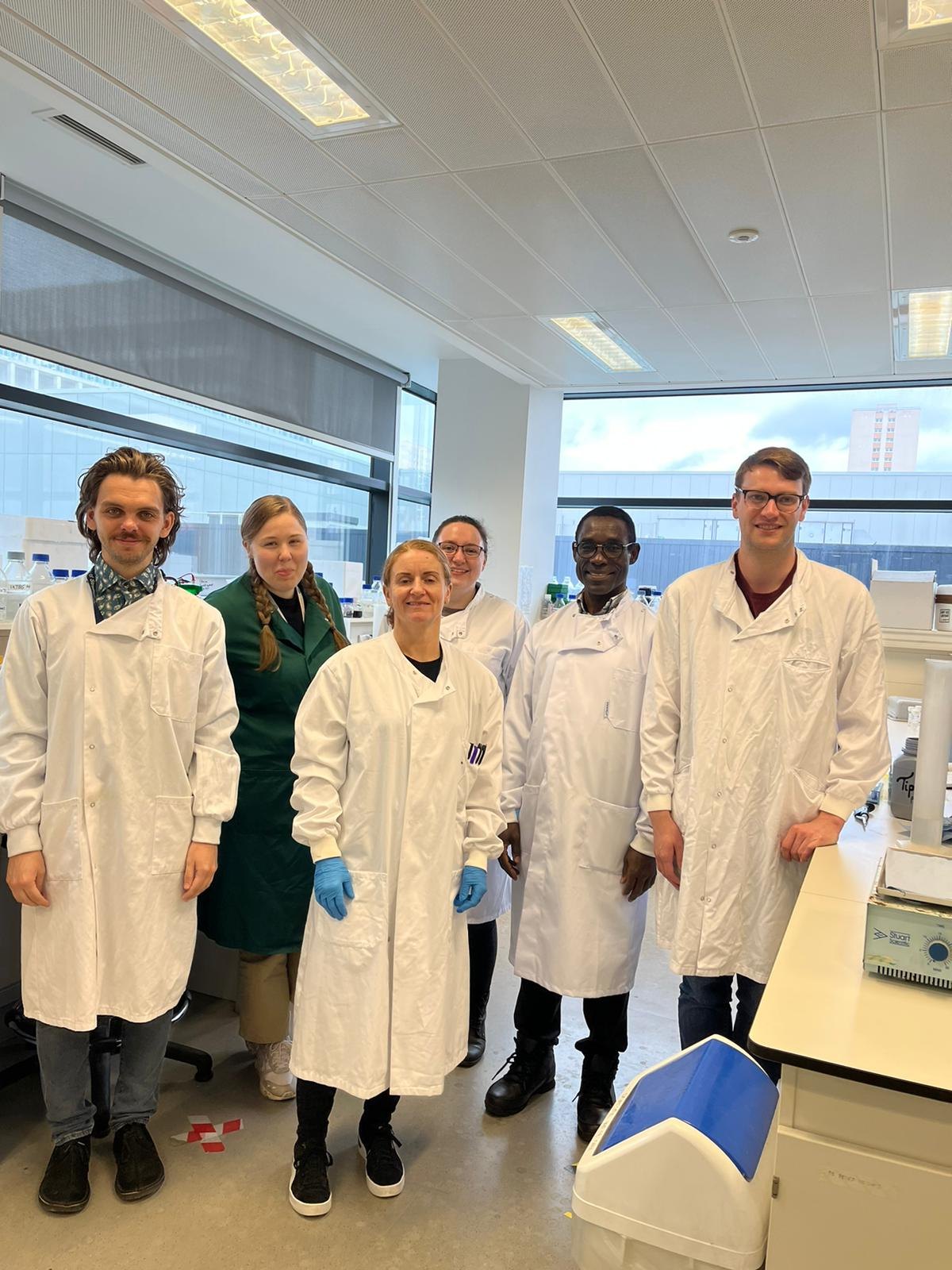
Funded by the Africa Research Excellence Fund, in Prof. Gwyn Gould's laboratory in Glasgow.
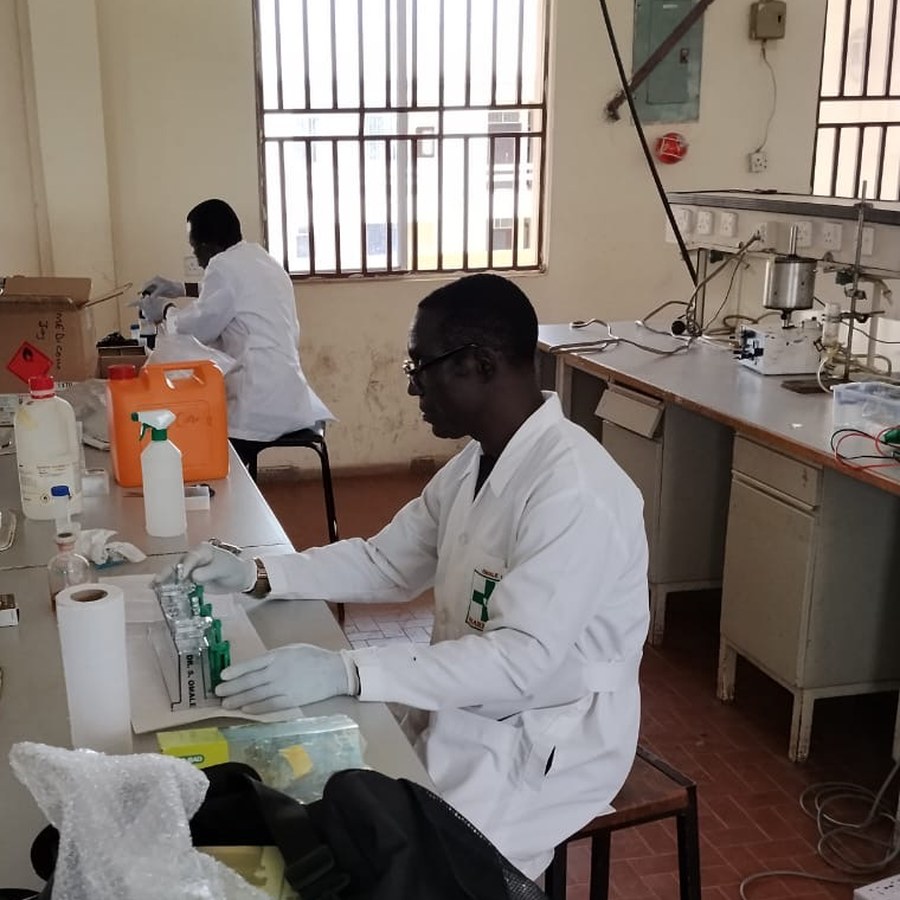
Awarded by the Federal Ministry of Science and Technology, alongside 9 research grants as principal or co-investigator.
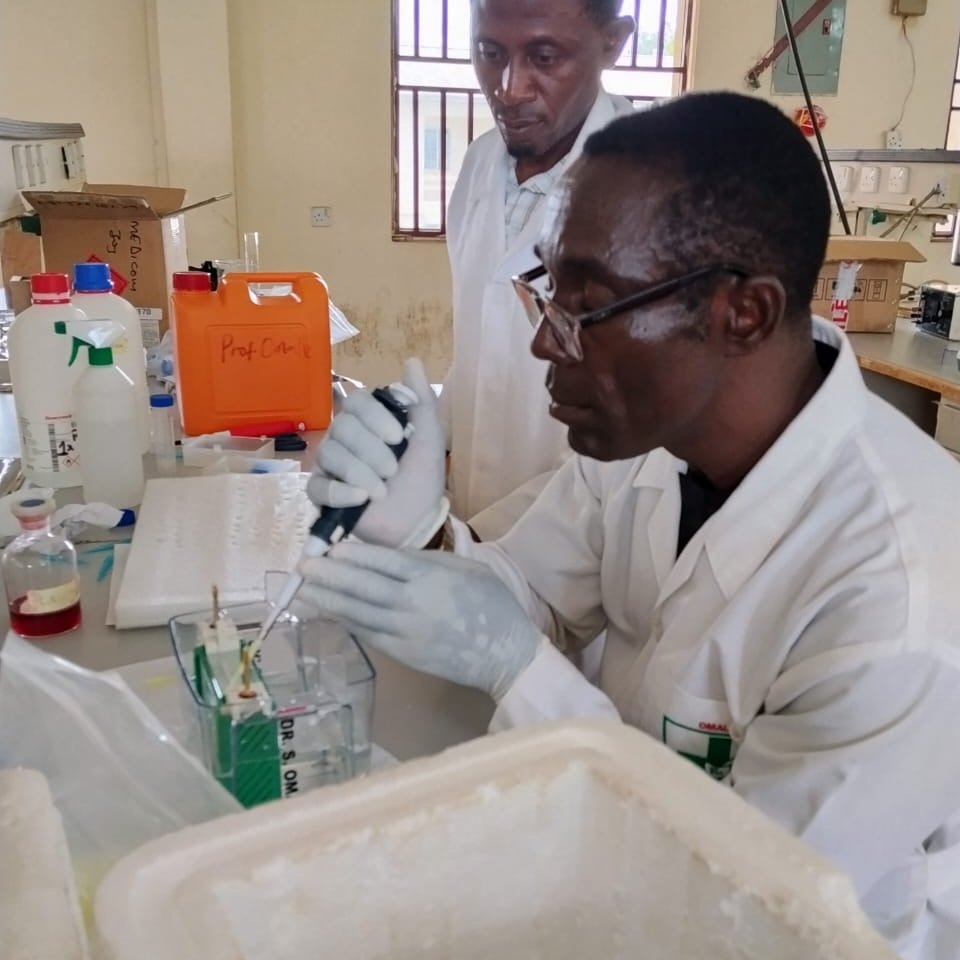
His 2012 study of medicine vendors' self-medication practices alone has been cited 89 times.

Appointed in May 2026, while presenting new Parinari curatellifolia work in Belfast and Abidjan.